

The Northern Lights, or Aurora Borealis, have fascinated humanity for centuries, inspiring myths, legends, and scientific inquiry. But what exactly causes this celestial spectacle? In this article, we’ll explore the science behind the Northern Lights, from solar activity and Earth’s magnetic field to the colors and movement of the auroras. By the end of this piece, you’ll have a deeper understanding of this mesmerizing natural phenomenon.
The Role of the Sun
The Northern Lights originate from the Sun’s activity. The Sun constantly emits charged particles, known as the solar wind, which travel through space at incredible speeds. During periods of heightened solar activity, such as solar flares or coronal mass ejections, the volume and intensity of these charged particles increase dramatically.
When these solar particles reach Earth, they interact with the planet’s magnetic field. The Earth’s magnetosphere acts as a protective shield, deflecting most of these particles. However, some are funneled toward the poles, where they collide with atoms and molecules in Earth’s upper atmosphere, creating the luminous displays we see as the Northern Lights.
Why Do the Northern Lights Have Different Colors?
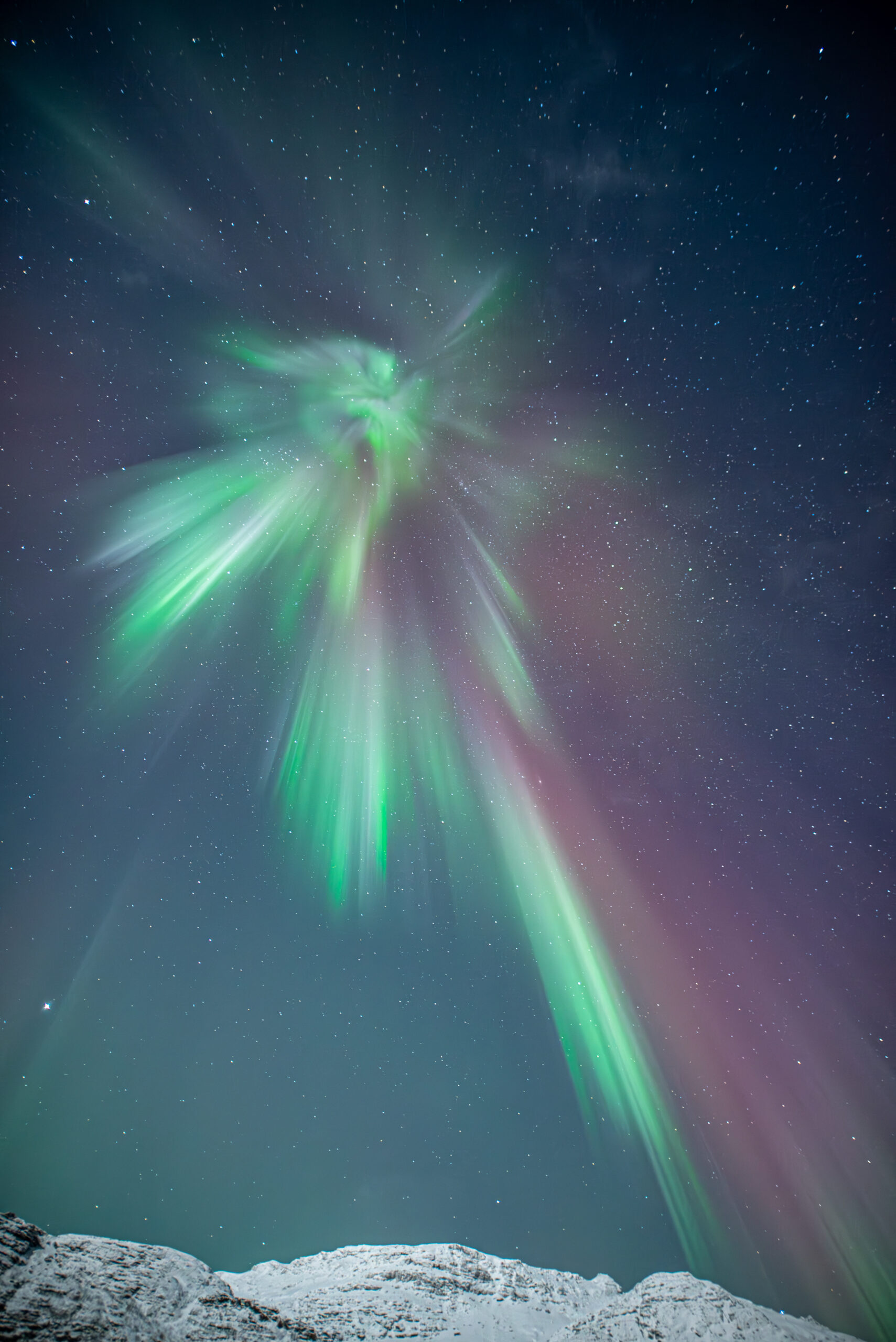
The colors of the auroras depend on the type of gas particles involved in the collisions and the altitude at which these interactions occur:
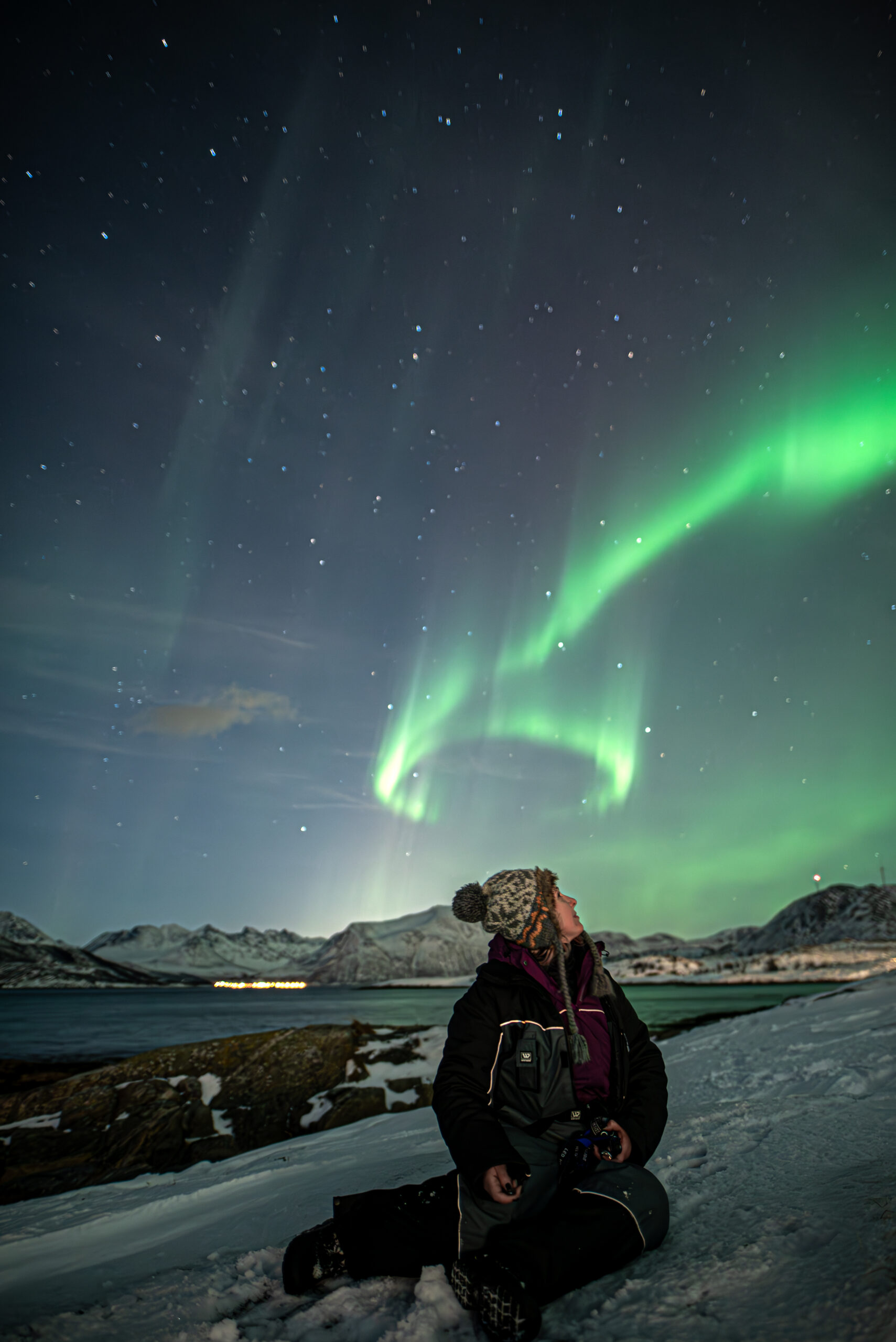
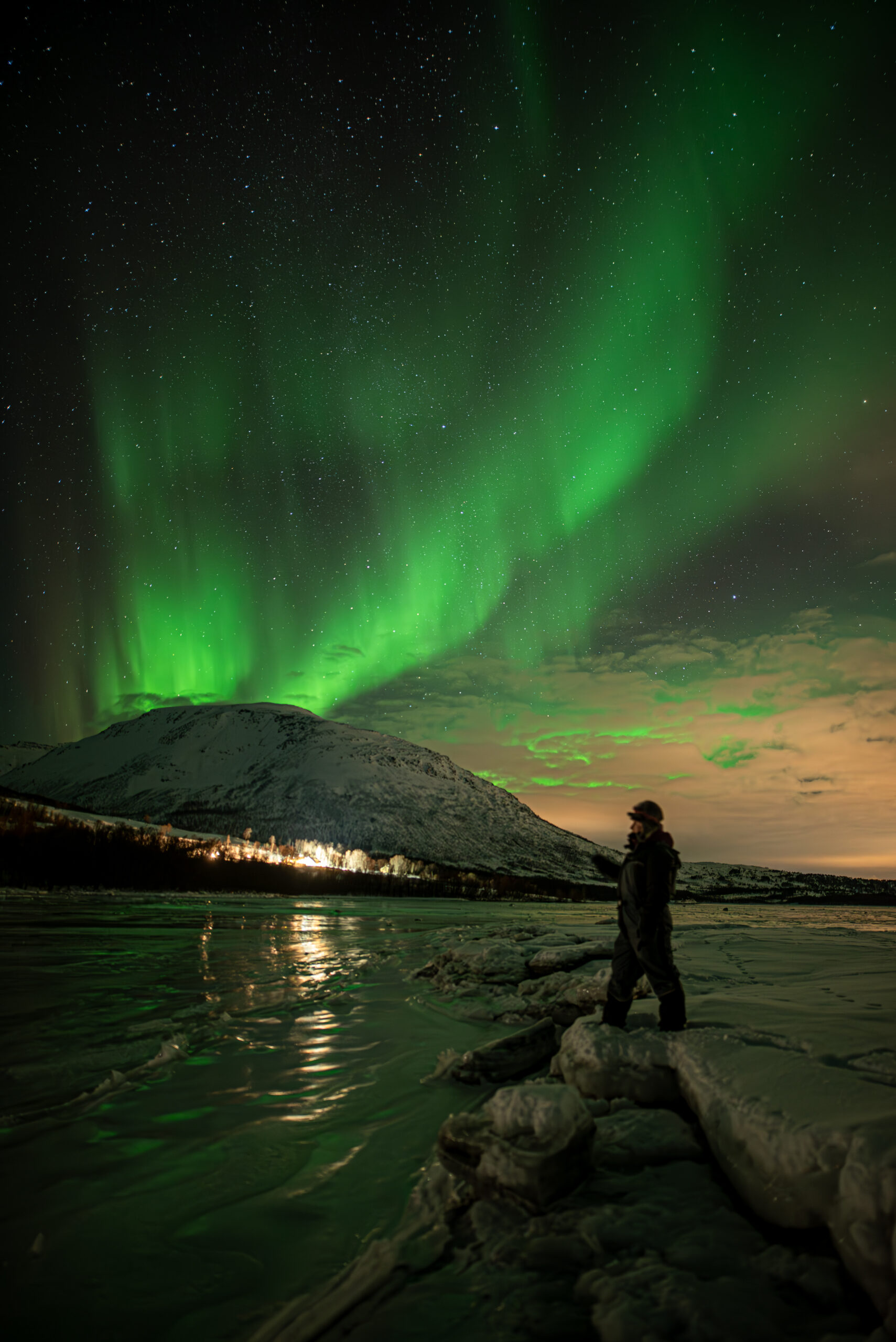
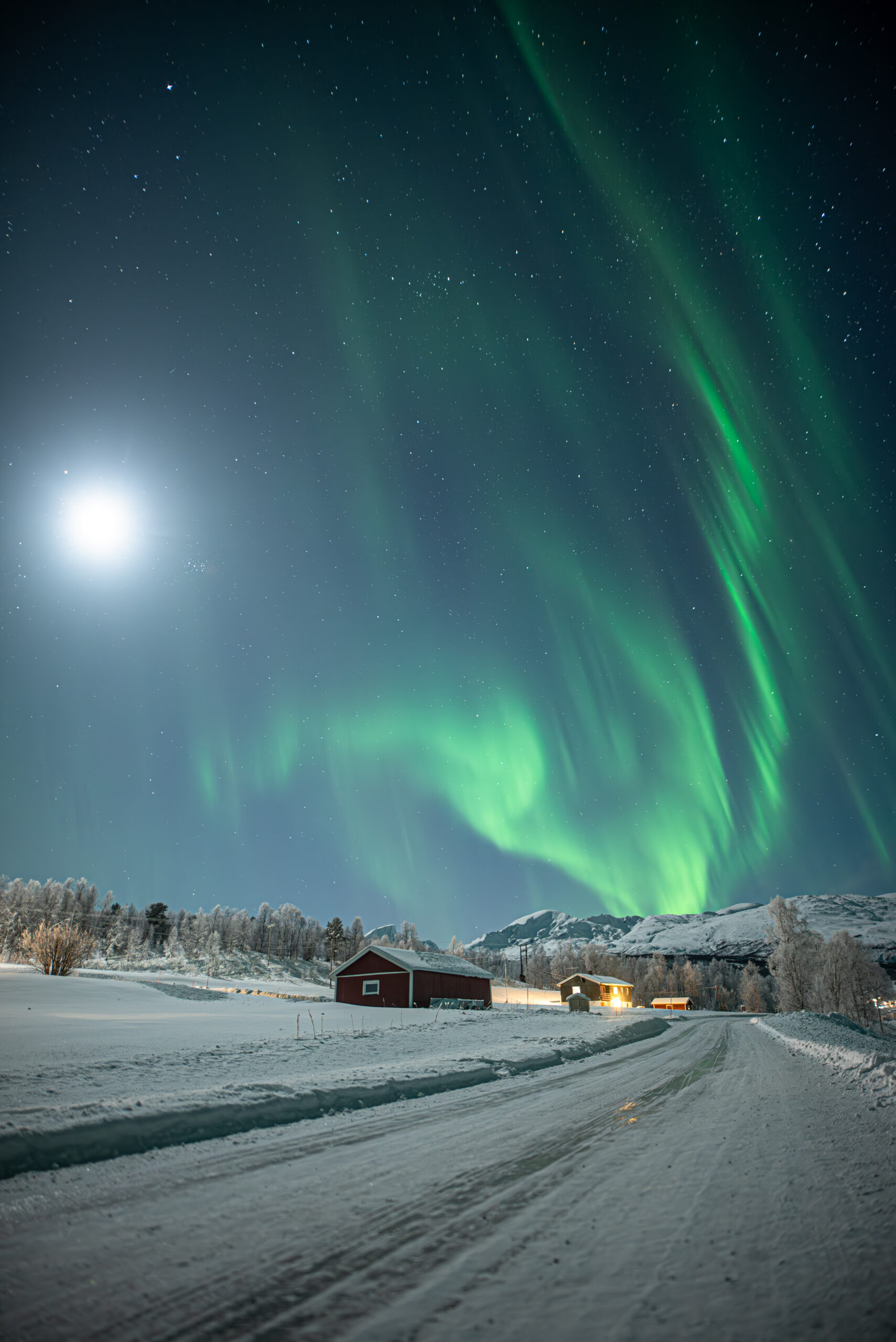
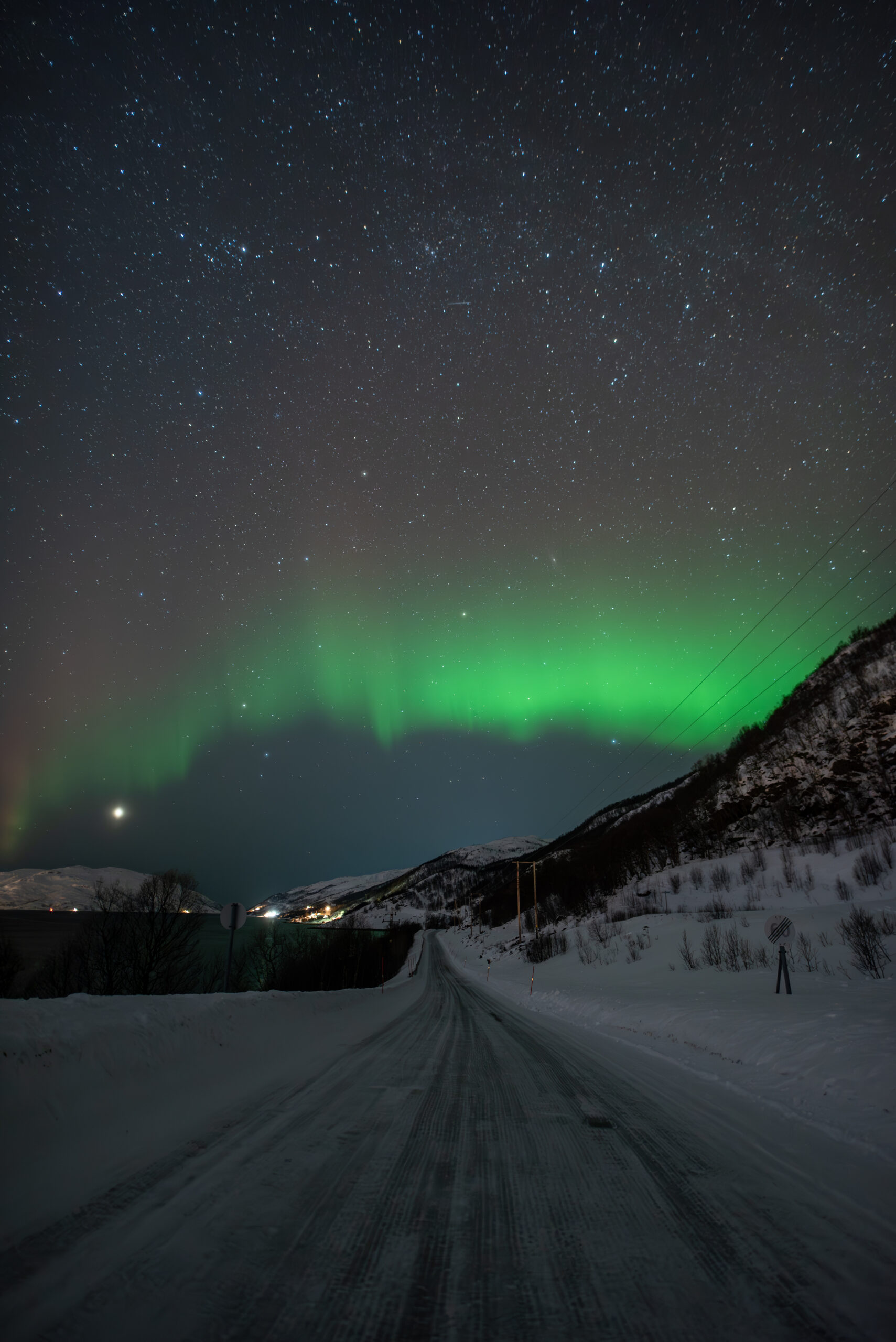
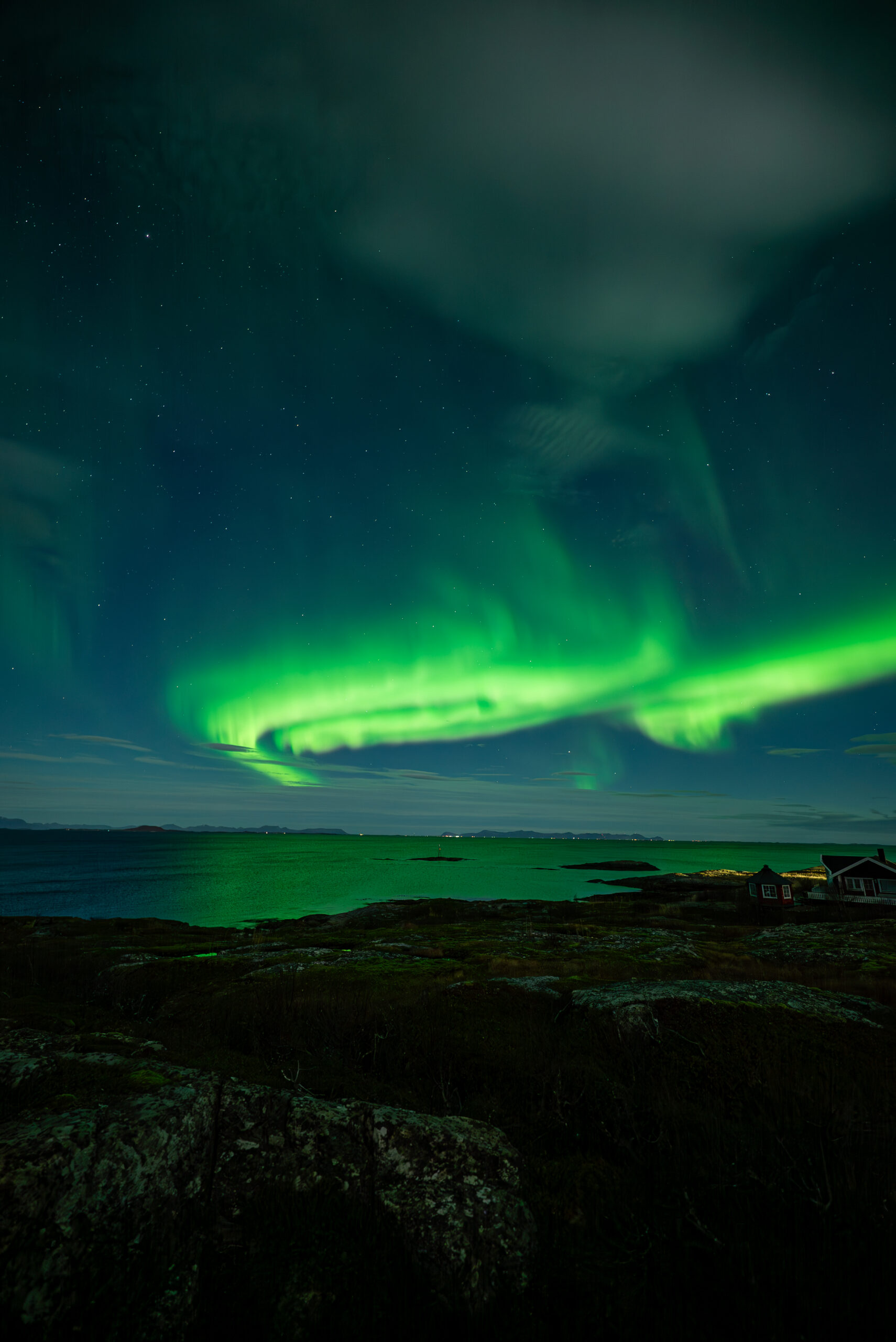
Green: The most common color, produced when charged particles collide with oxygen at altitudes between 100 and 300 km.
Red: Created by high-altitude oxygen (above 300 km), red auroras are rarer but can be especially vivid during strong geomagnetic storms.
Purple and Blue: Caused by interactions with nitrogen molecules, these colors are usually seen at lower altitudes and during intense auroral activity.
The Dynamic Nature of the Aurora
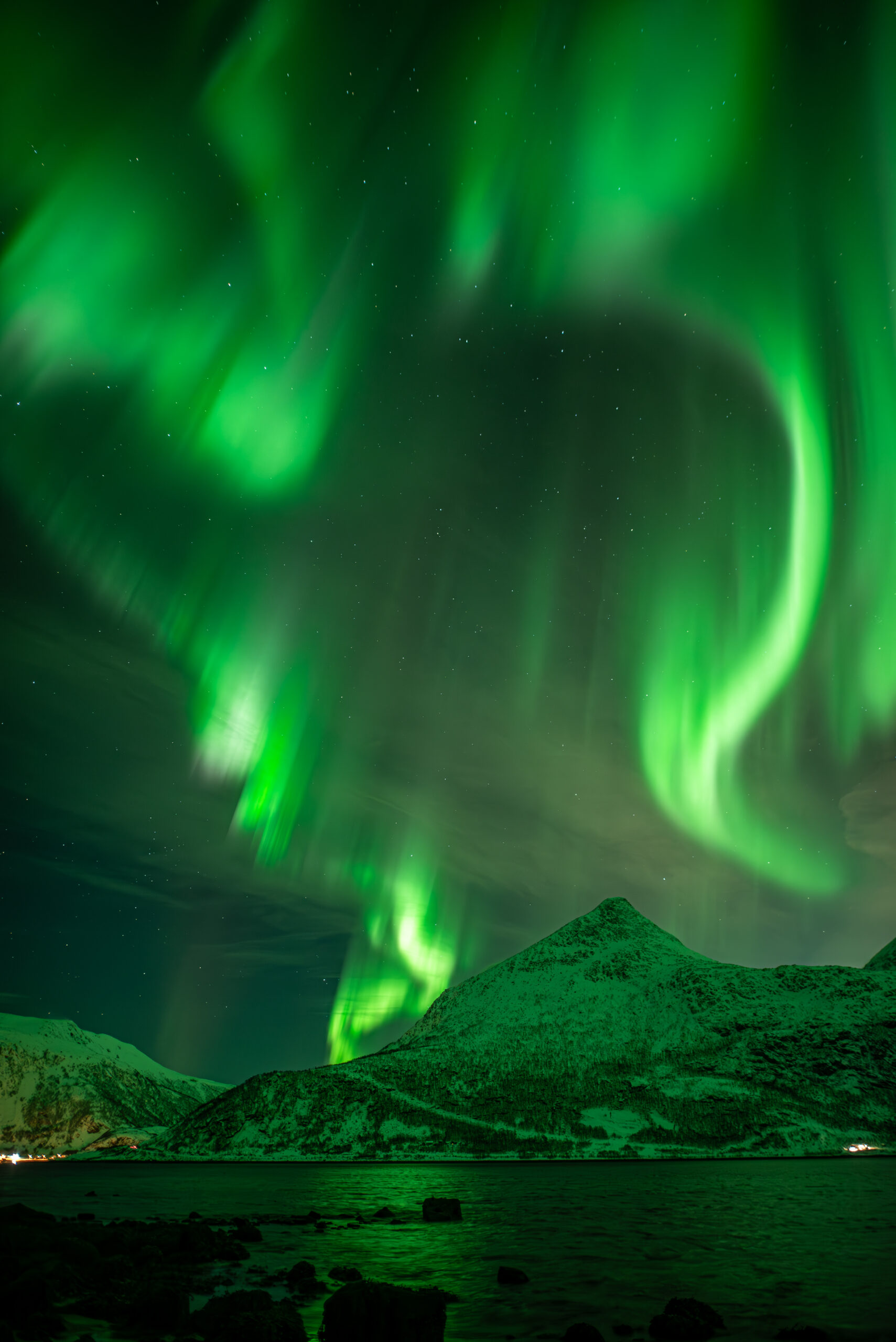
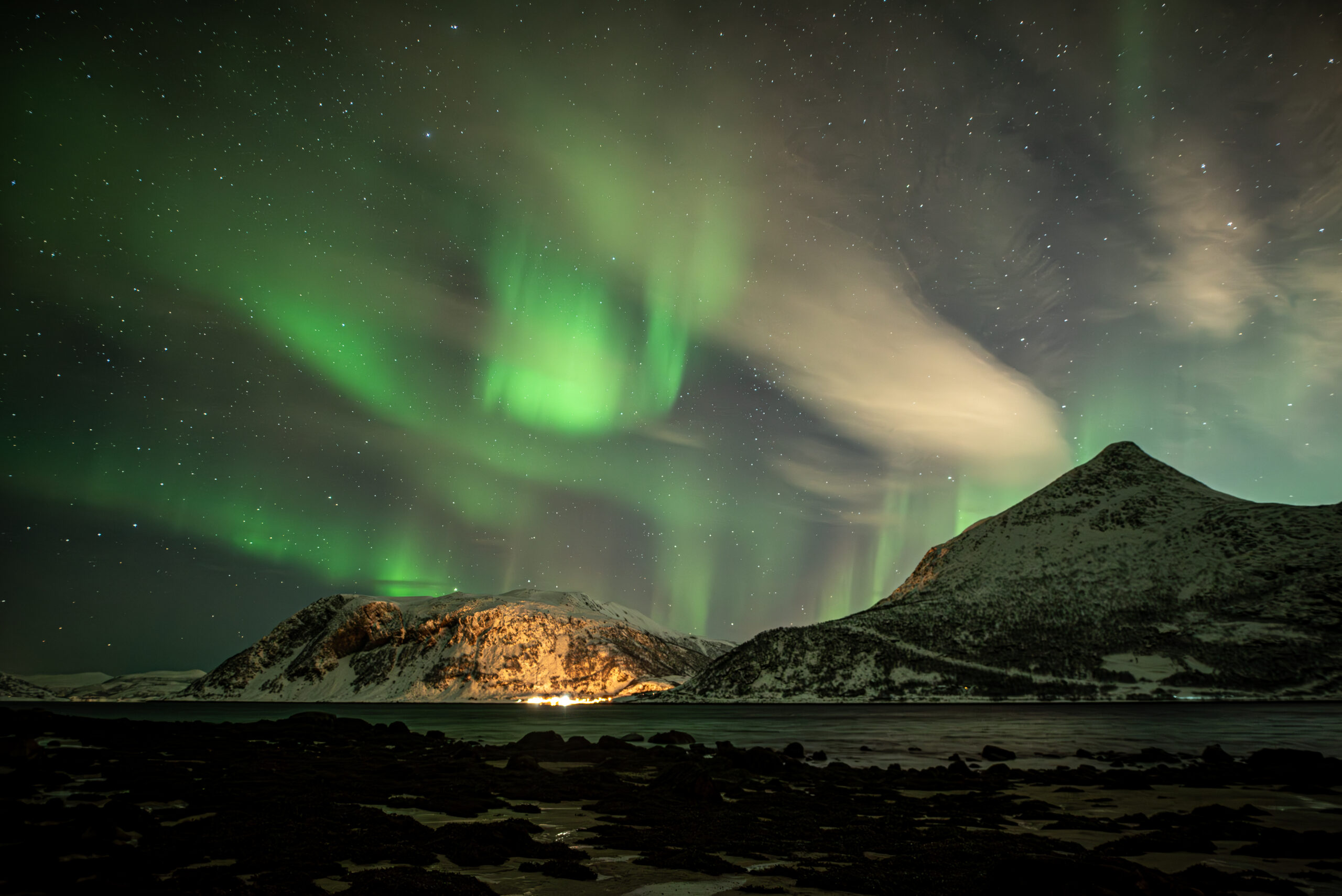
Auroras are not static; they shift, swirl, and pulsate due to the varying interactions between solar wind and Earth’s magnetosphere. Factors influencing auroral movement include:
Solar wind speed and density: Faster solar winds result in more dynamic auroras.
Geomagnetic storms: Strong storms, often caused by coronal mass ejections, can create widespread auroral activity, visible even at lower latitudes.
Magnetic field alignment: The interaction between Earth’s and the Sun’s magnetic fields determines how much energy is transferred to our atmosphere.
The Northern Lights are not just a breathtaking sight but a fascinating scientific phenomenon driven by solar activity and Earth’s magnetic field. Understanding the mechanisms behind auroras makes them even more awe-inspiring. Whether you’re a casual observer or a passionate aurora chaser, knowing the science enhances the magic of witnessing the lights in person.