

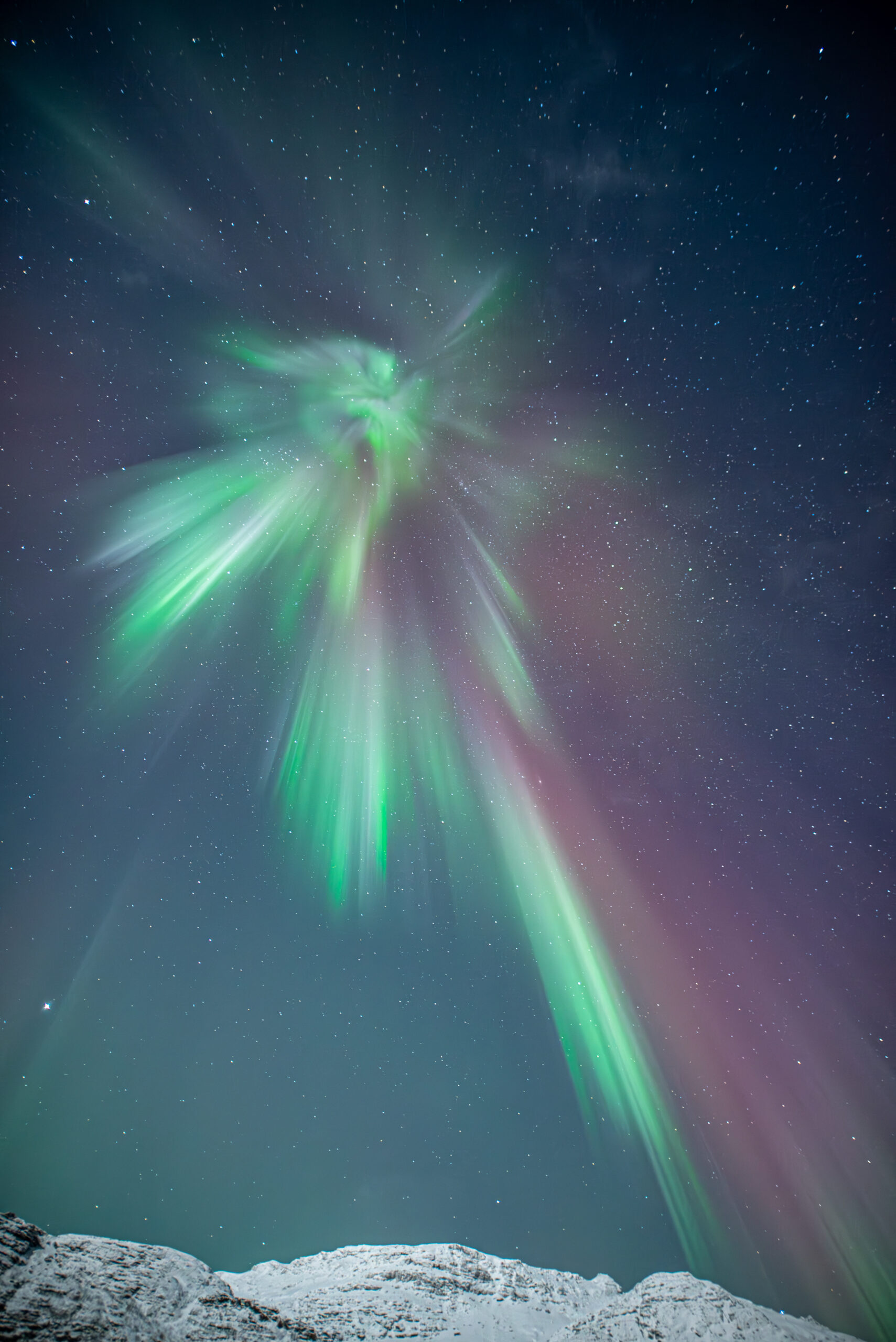
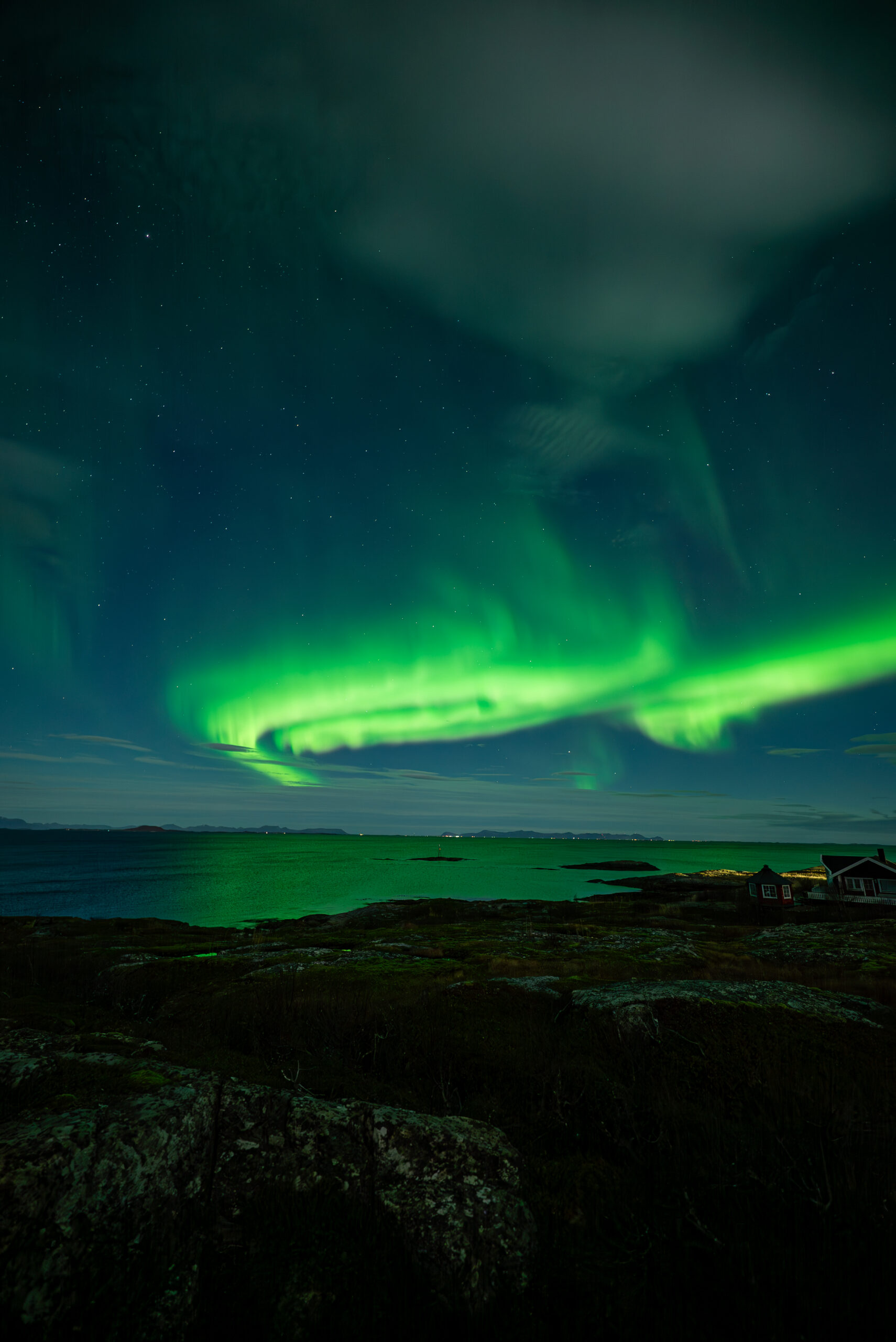
Photographing the Northern Lights is a thrilling endeavor that challenges even seasoned photographers. This article delves into advanced techniques to help you capture the auroras’ vibrant colors and dynamic movements. From equipment selection to post-processing tips, you’ll gain insights to elevate your aurora photography skills.
Equipment Selection
While a basic DSLR or mirrorless camera can capture the Northern Lights, investing in high-quality gear can significantly enhance your results. Full-frame cameras with excellent low-light performance allow for cleaner images at higher ISO settings. Pair your camera with fast, wide-angle lenses (f/2.8 or faster) to capture expansive sky views and maximize light intake.
Mastering Manual Settings
Understanding and utilizing manual settings is crucial for aurora photography:
Aperture: Set your lens to its widest aperture (e.g., f/2.8) to allow maximum light.
Shutter Speed: Adjust based on aurora activity; faster movements may require shorter exposures (5-10 seconds), while slower displays can handle longer exposures (10-20 seconds).
ISO: Balance sensitivity and noise; start with ISO 1600 and adjust as needed based on ambient light and camera performance.
Incorporating Foreground Elements
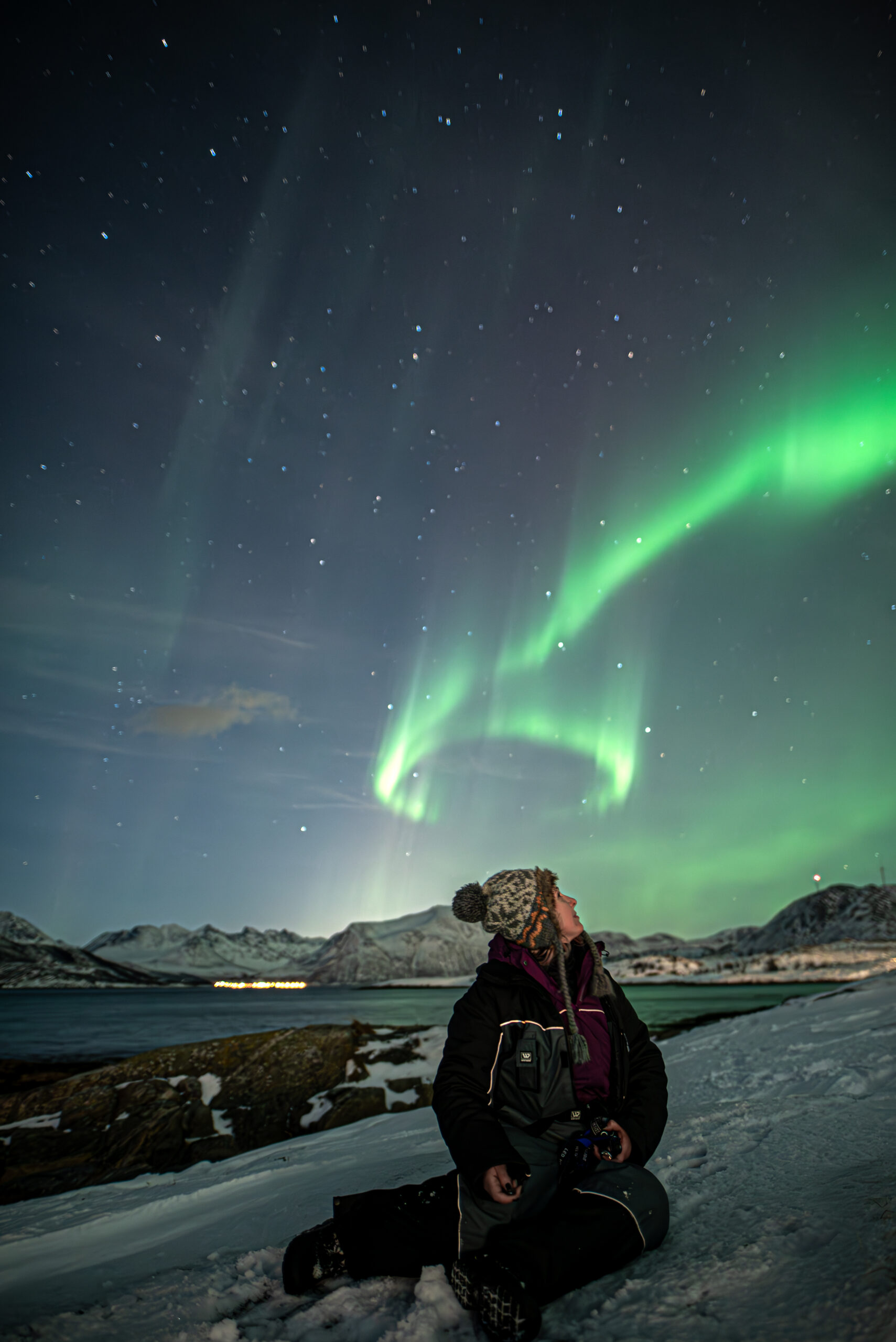
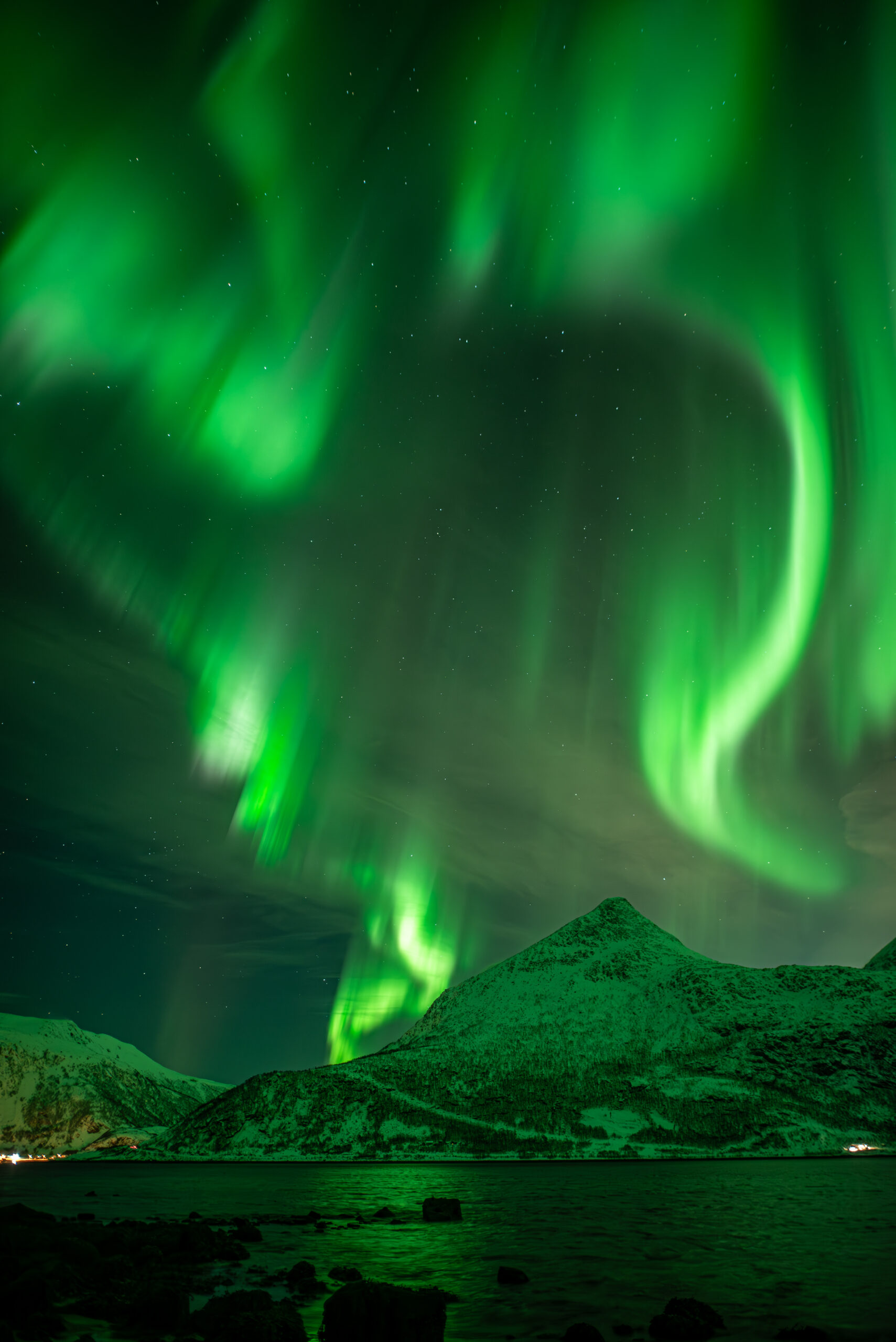
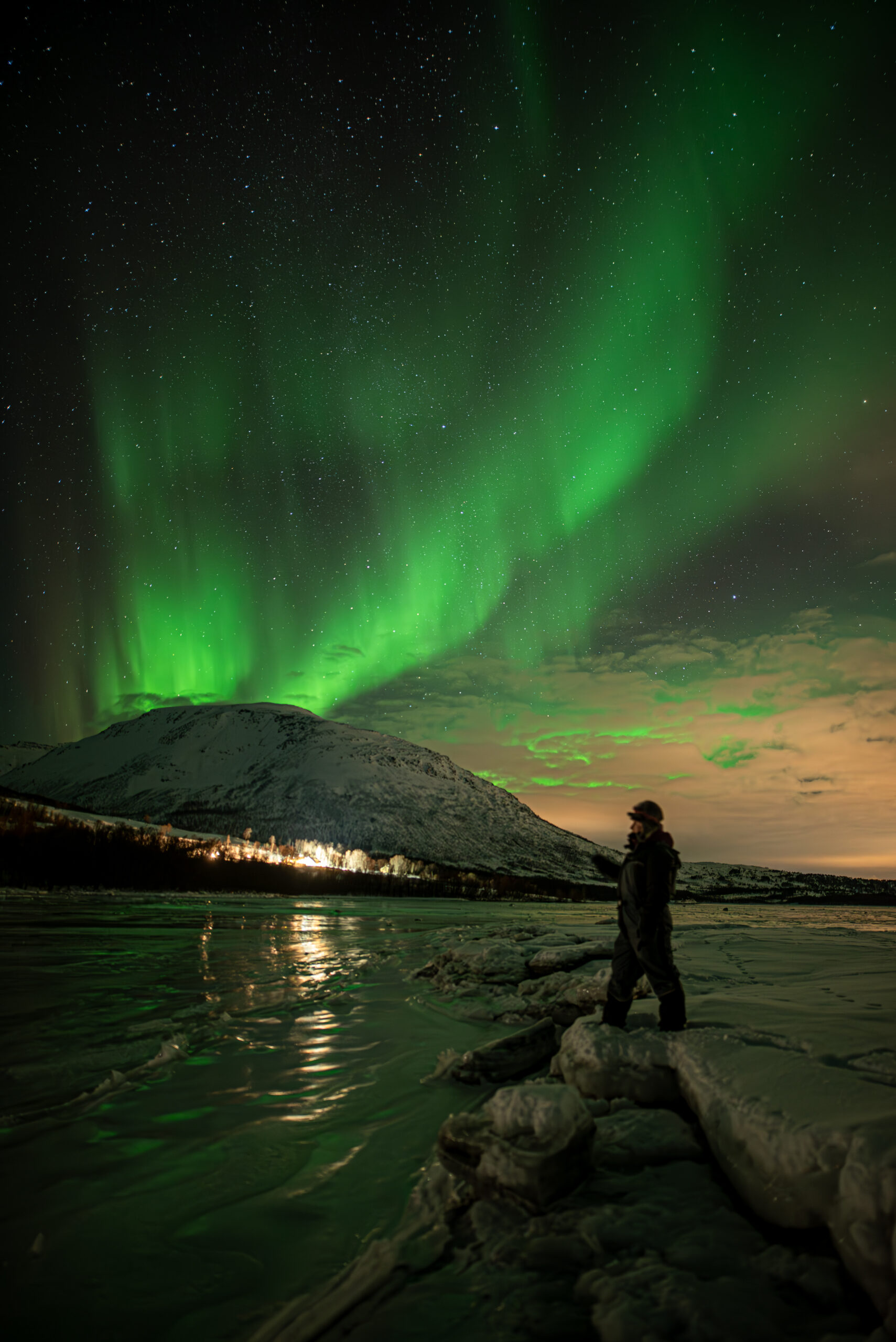
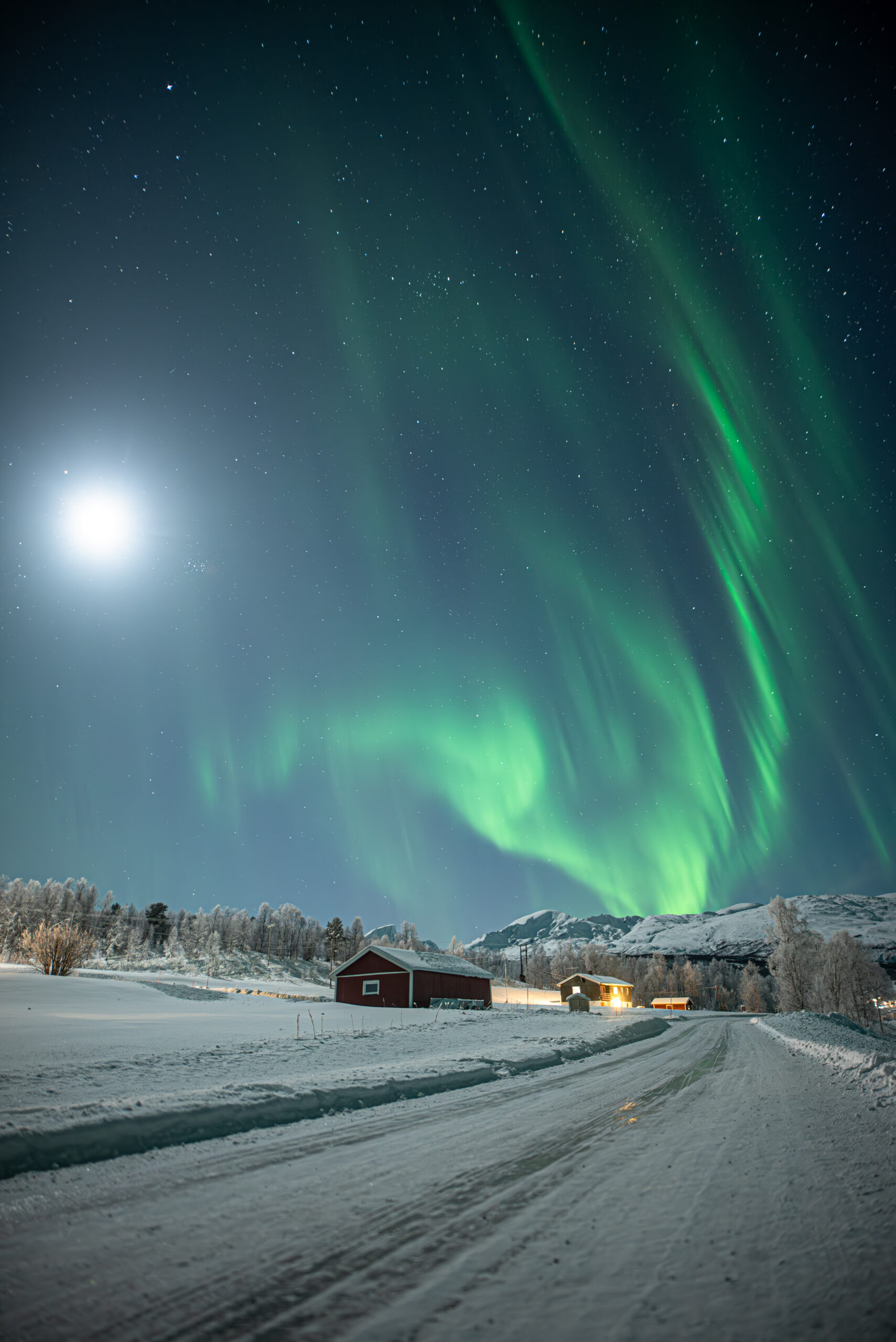
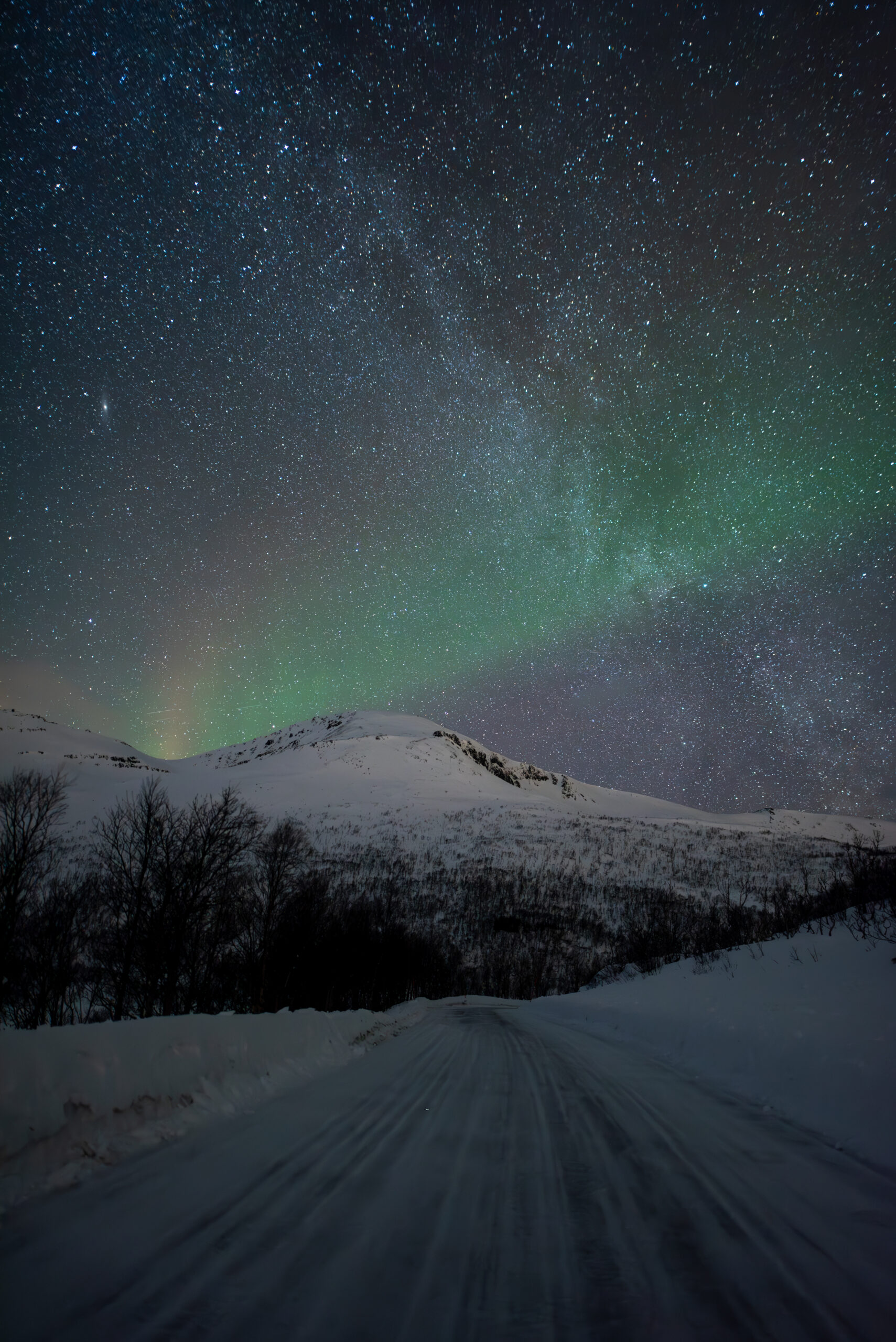
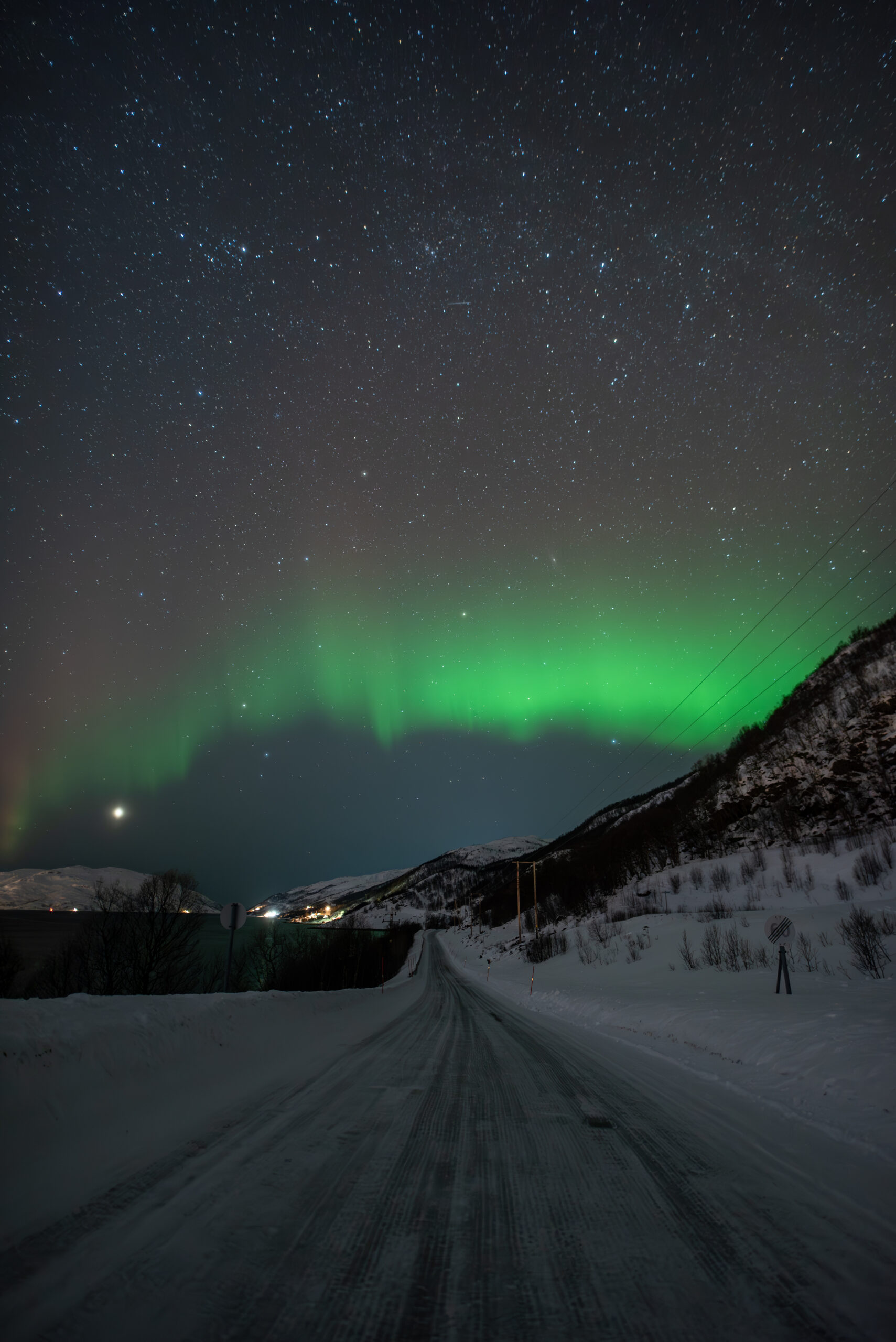
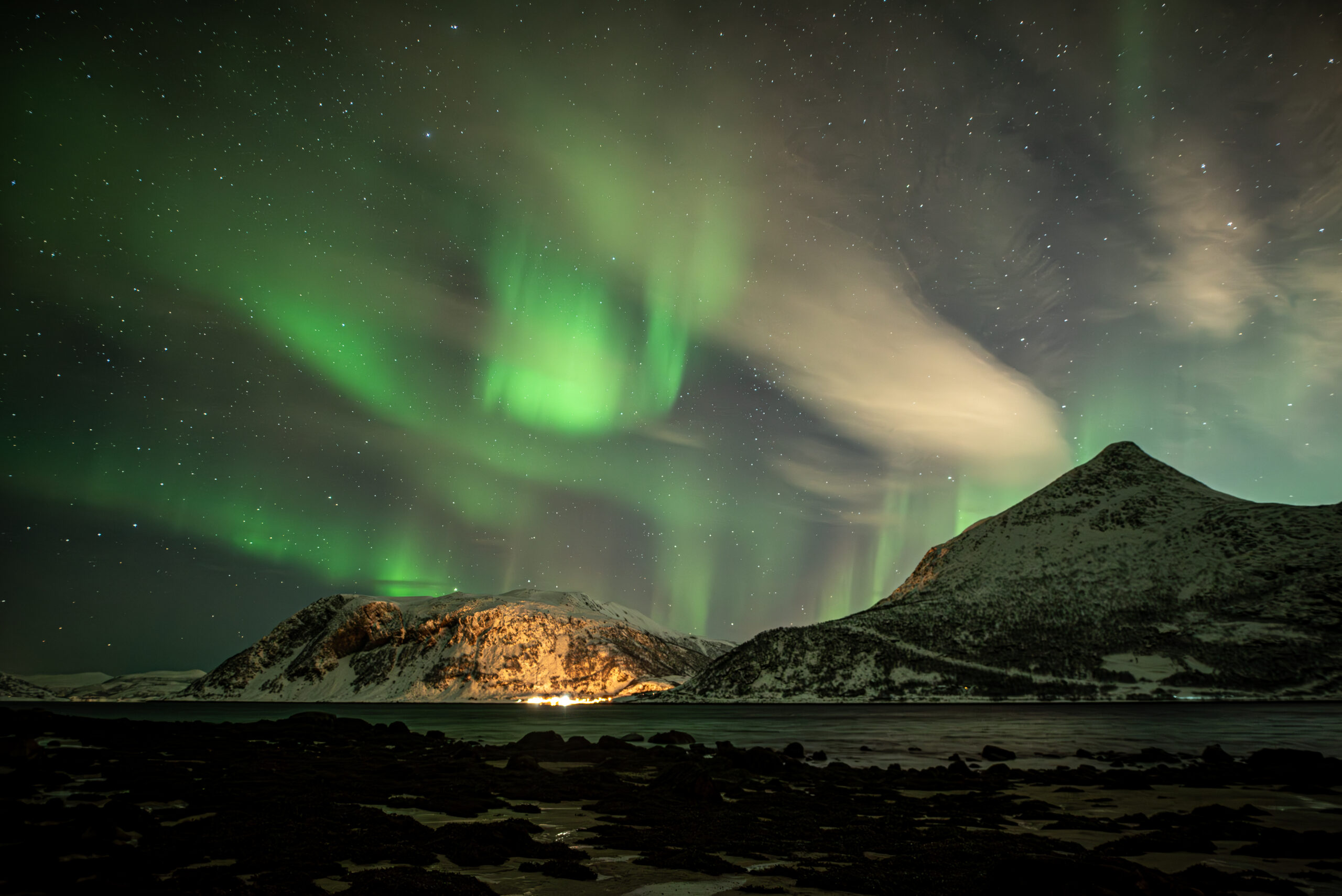
Adding foreground elements can provide context and depth to your images. Incorporate features like snow-covered trees, mountains, or cabins to create compelling compositions. Be mindful of light sources that may cause unwanted illumination or shadows.
Utilizing Time-Lapse and Panorama Techniques
Time-Lapse: Capturing a series of images over time can showcase the auroras’ movement. Use an intervalometer to shoot continuous frames and compile them into a time-lapse video.
Panorama: For expansive auroral displays, shoot overlapping images and stitch them together in post-processing to create panoramic views.
Post-Processing Tips
Enhancing your images while maintaining natural aesthetics is key:
Noise Reduction: Use software to reduce noise, especially in high ISO shots.
Color Balance: Adjust white balance to reflect the true colors of the aurora, typically shifting towards cooler tones.
Contrast and Clarity: Enhance the auroras’ definition without over-processing.
Advanced aurora photography combines technical proficiency with creative vision. By mastering your equipment, experimenting with techniques, and refining your post-processing skills, you can capture stunning images that do justice to the Northern Lights’ ethereal beauty.