

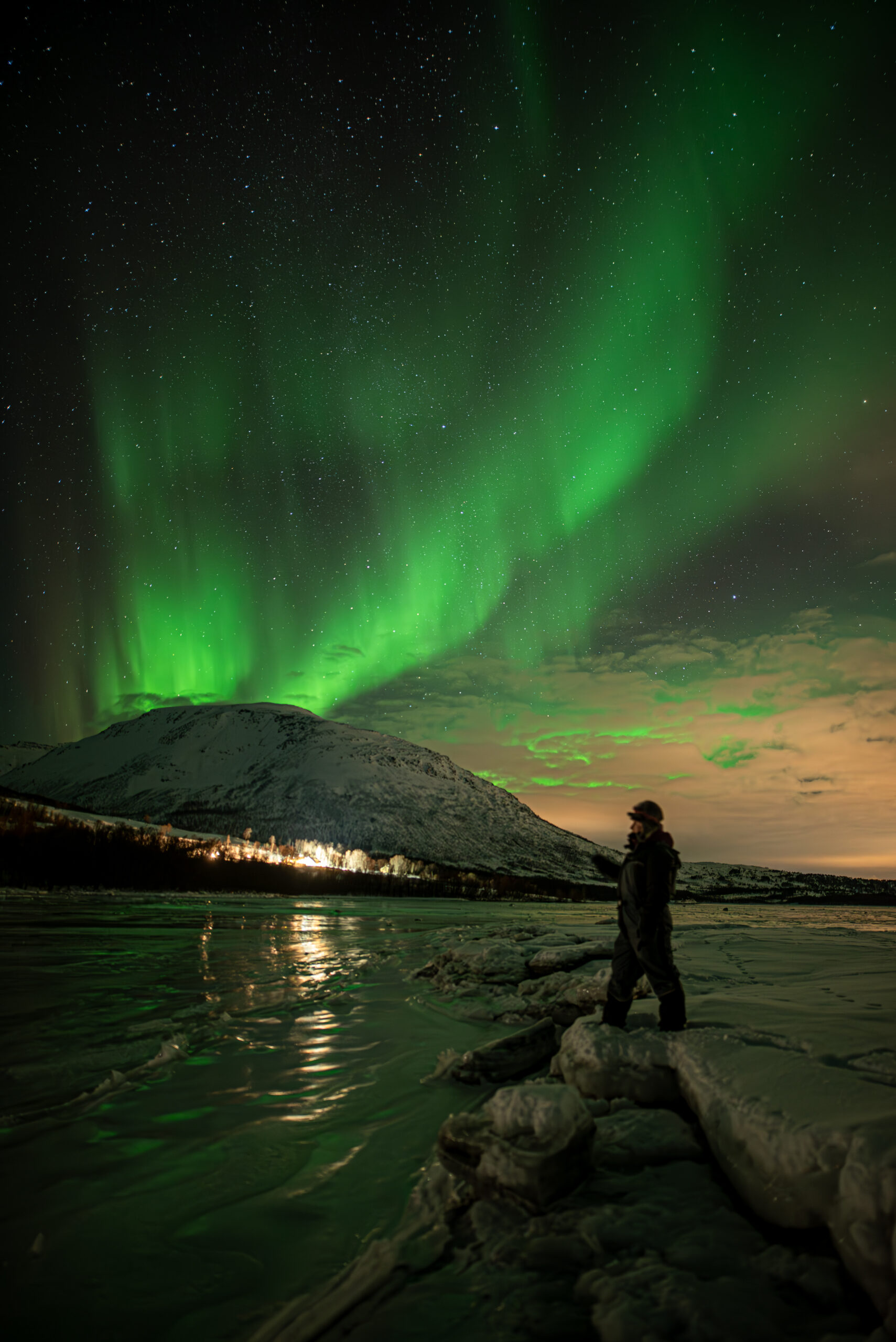
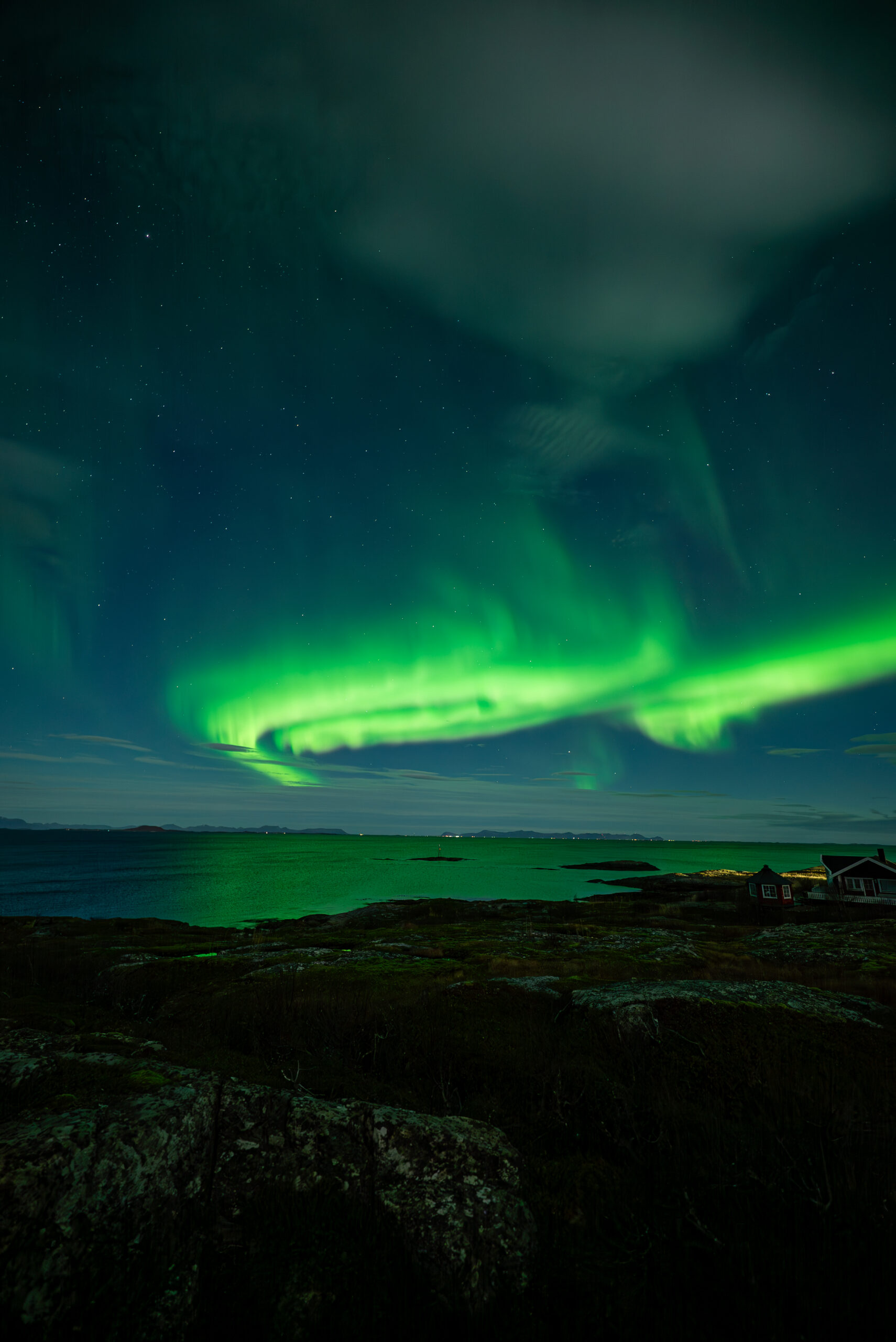
The Northern Lights, also known as the Aurora Borealis, are one of the most breathtaking natural phenomena visible in the polar regions. These dancing lights in the sky have fascinated people for centuries, inspiring myths and legends across cultures. But what exactly causes this spectacular display? In this article, we will explore what the Northern Lights are, how they form, and where you can witness them at their best.
What Are the Northern Lights?
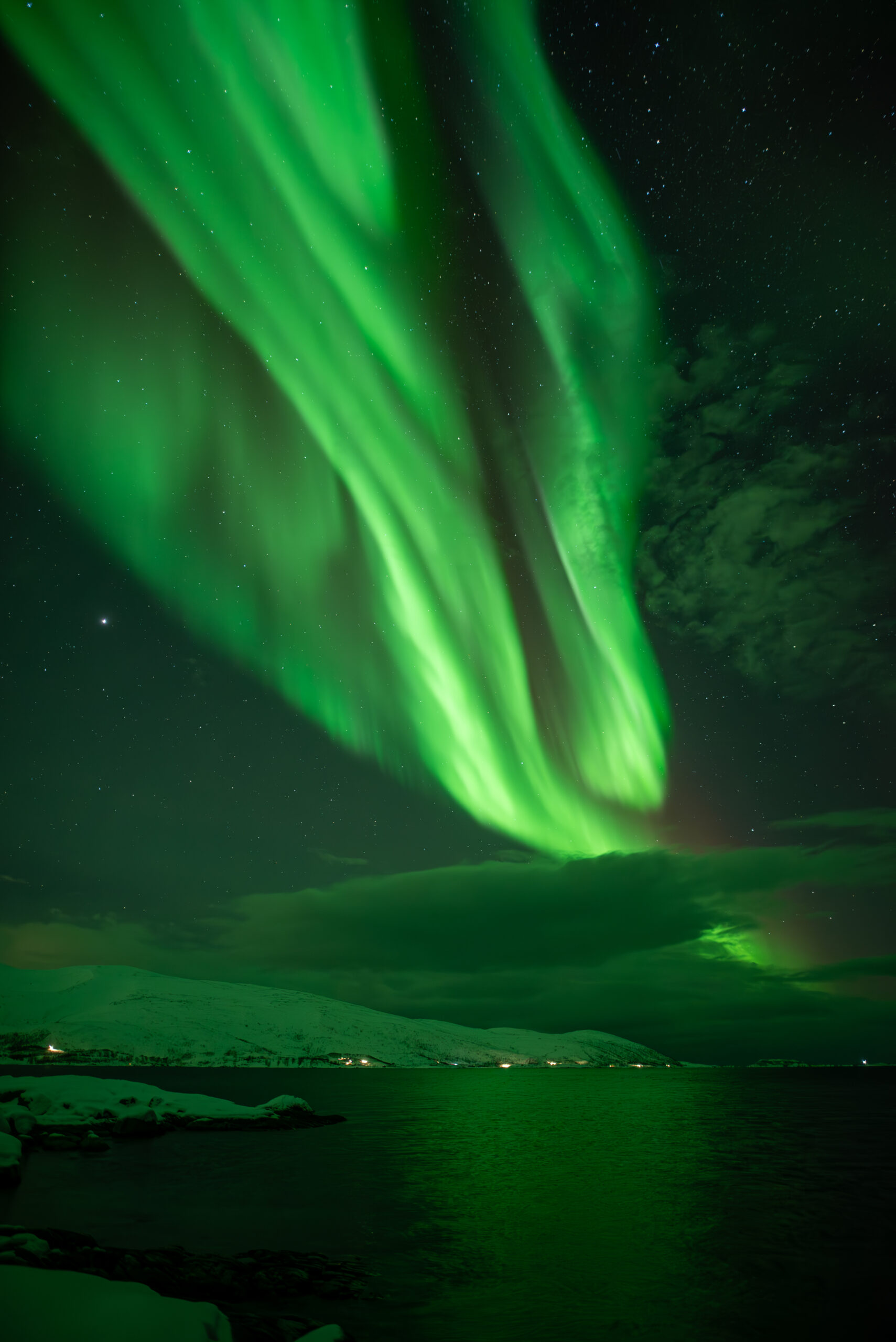
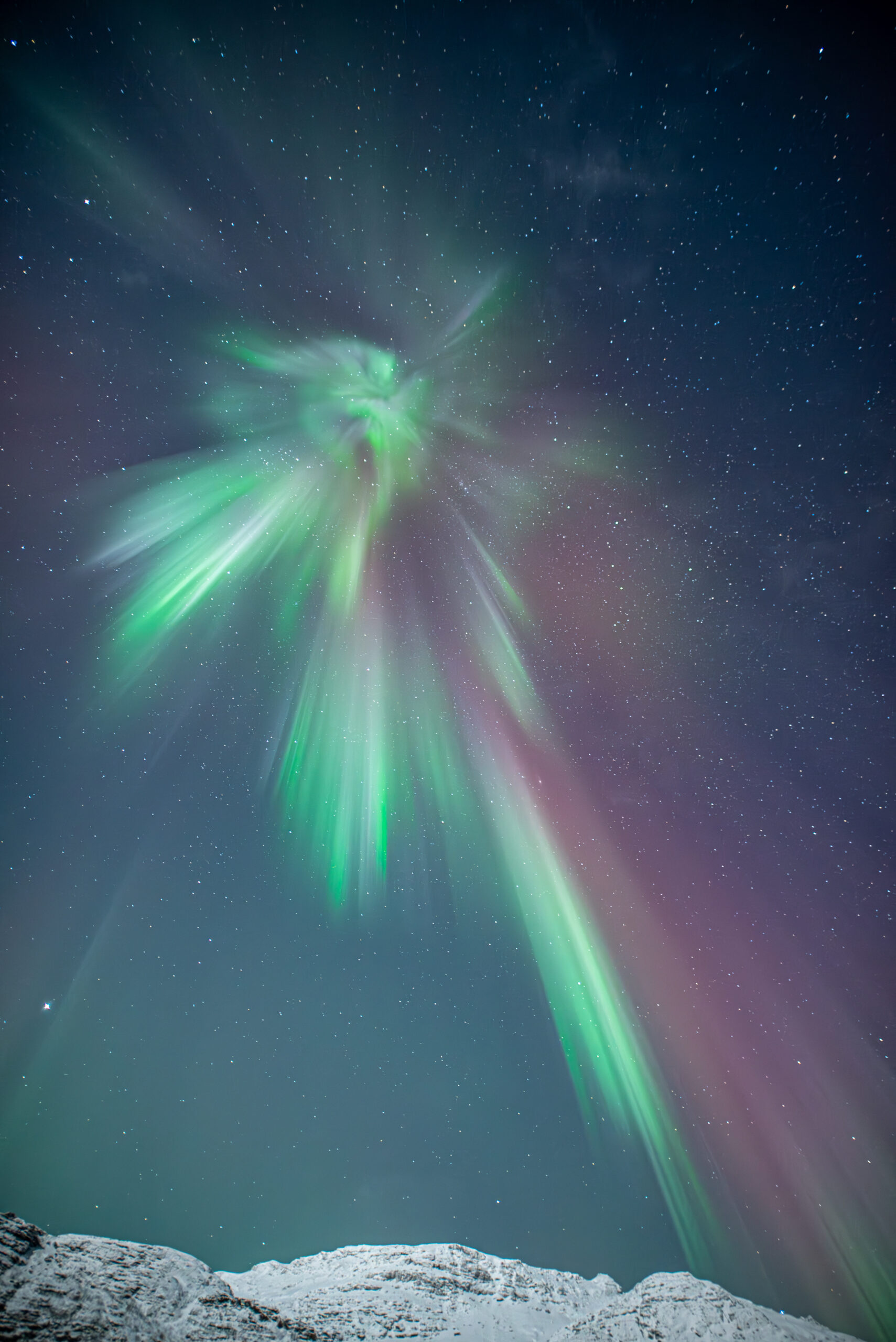
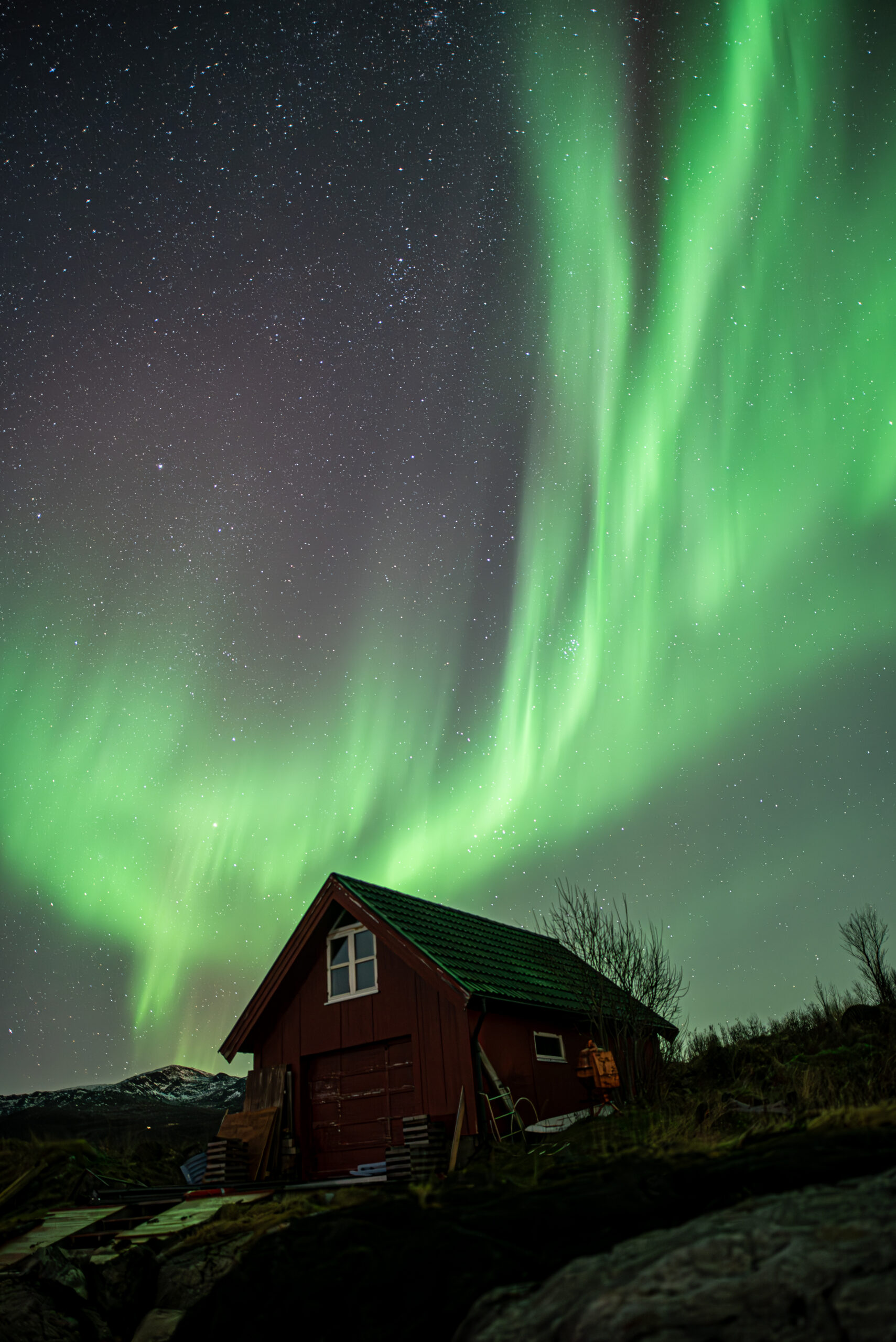
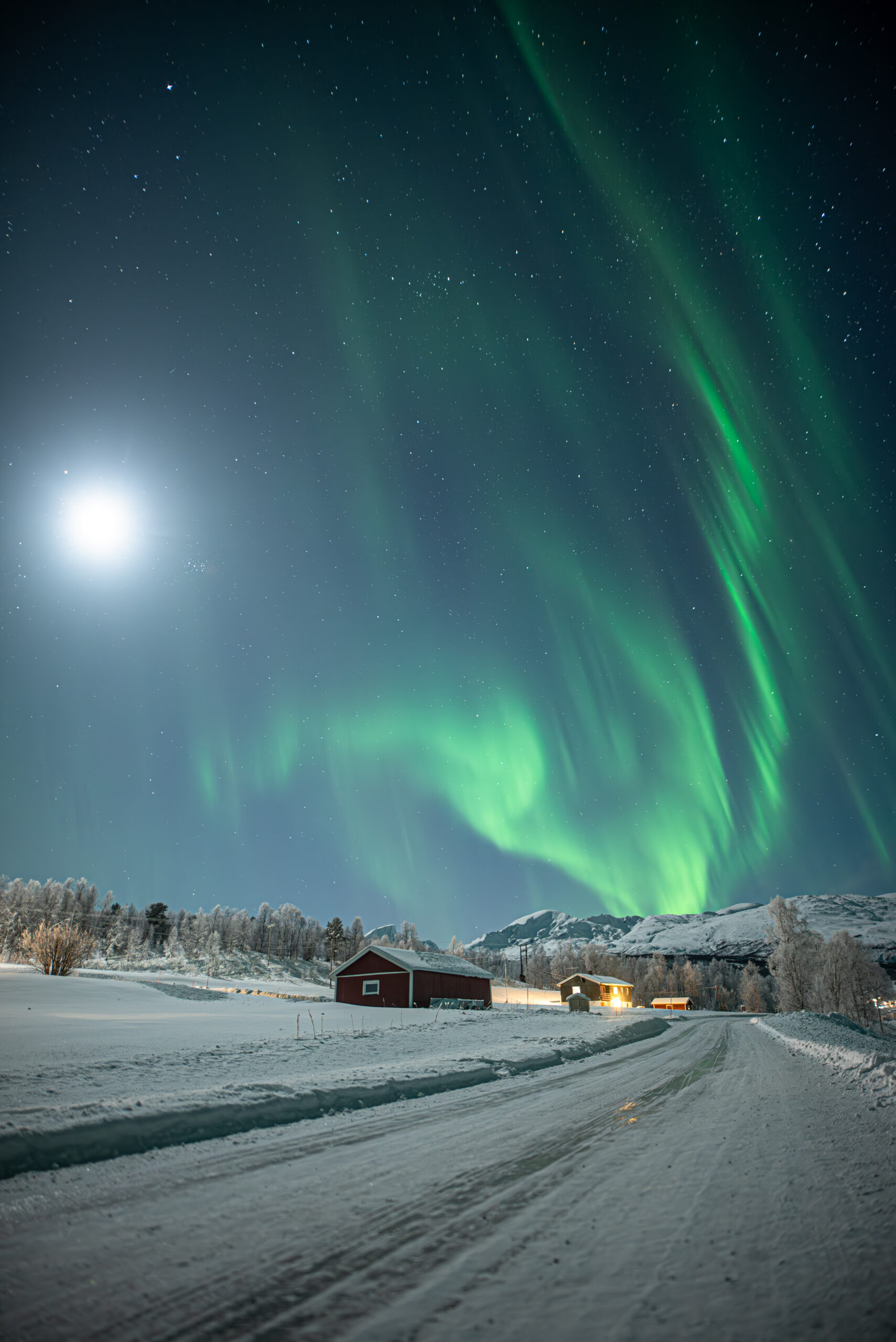
The Northern Lights are a natural light display that occurs in the Earth’s polar regions, primarily in the Arctic. Their counterpart in the Southern Hemisphere is called the Aurora Australis, or the Southern Lights. The colors of the aurora can range from green and yellow to red, purple, and even blue, creating a mesmerizing visual experience.
How Do the Northern Lights Form?
The Northern Lights are caused by interactions between the Earth’s atmosphere and charged particles from the Sun. Here’s a step-by-step breakdown of how this phenomenon occurs:
Solar Wind Emission – The Sun constantly emits a stream of charged particles, known as the solar wind. These particles travel through space at incredible speeds.
Earth’s Magnetic Field Interaction – When these charged particles reach Earth, they encounter the planet’s magnetic field, which directs them toward the polar regions.
Collision with Atmospheric Gases – As the particles collide with gases such as oxygen and nitrogen in the Earth’s atmosphere, they excite the atoms and release energy in the form of light. Different gases produce different colors: oxygen typically creates green and red hues, while nitrogen contributes to blue and purple shades.
The Dance of Light – The aurora appears to move and shift due to variations in solar activity and atmospheric conditions, resulting in a dynamic and ever-changing display.
Best Places and Times to See the Northern Lights
To witness the Northern Lights in all their glory, it is important to be in the right location at the right time. The best places to see the aurora include:
Norway – Tromsø and the Lofoten Islands are popular destinations for aurora hunters.
Iceland – With minimal light pollution, Iceland offers excellent viewing opportunities.
Finland – Lapland provides stunning landscapes combined with frequent aurora activity.
Canada – The Yukon, Northwest Territories, and Churchill, Manitoba, are prime locations.
Alaska (USA) – Fairbanks is known for its high aurora visibility.
The best time to see the Northern Lights is during the winter months, from September to April, when nights are longer and skies are darker. The most intense displays typically occur around the equinoxes in March and September.
The Northern Lights are a magical phenomenon resulting from the interaction between solar particles and Earth’s atmosphere. Understanding the science behind this natural wonder makes it even more fascinating. If you dream of witnessing the aurora, choosing the right destination and timing your visit well will increase your chances of experiencing this unforgettable spectacle. Whether you’re a seasoned traveler or a first-time visitor, the Northern Lights promise an awe-inspiring adventure that will stay with you for a lifetime.